
Medical Glossary
Acetylcholine: A neurotransmitter that causes muscles to contract.
Ace-inhibitors: A class of pharmaceutical drugs used to treat hypertension by blocking the formation of a hormone which causes blood vessel constriction. Common ace-inhibitors include Altace (ramipril), Capoten (captopril); Lotensin (benazapril), and Vasotec (enalapril).
Adenine nucleotides: A class of compounds including ATP, ADP and AMP. Adenine nucleotides contain adenine, D-ribose (forming adenosine) and one to three phosphate groups held to adenosine by high energy chemical bonds.
Adenosine: A compound formed from D-ribose by the addition of the purine ring, adenine. In nature, the purine ring is built on a D-ribose by adding structure one atom at a time. It is not simply formed by attaching a purine ring to the ribose moiety. Adenosine forms the foundation for synthesis of adenine nucleotides.
Adenosine diphosphate (ADP): An adenine nucleotide containing two phosphate molecules. ADP is formed from ATP when one of the phosphate molecules is removed to release energy.
Adenosine monophosphate (AMP): An adenine nucleotide containing one phosphate molecule. AMP is formed when one of the phosphate molecules of ADP is removed.
Adenosine triphosphate (ATP): An adenine nucleotide containing three high-energy phosphate bonds. ATP is the primary source of energy for all living cells. It produces energy when the chemical bond holding one of the phosphate molecules is broken from the ATP molecule, forming ADP, inorganic phosphate and a release of energy.
Adrenal glands: A pair of endocrine organs located atop the kidneys, the adrenal glands produce epinephrine and norepinephrine as well as glucocorticoid, mineralocorticoid, and androgenic hormones.
Adrenaline: SeeEpinephrine.
Aerobic metabolism: Metabolism in the cell that takes place in the presence of oxygen. Most aerobic metabolism takes place in the mitochondria of the cell.
Allicin: Found in garlic, allicin is a sulfur compound with potent antimicrobial activity, especially as an antibacterial agent.
Alpha linoleic acid: A type of omega-3 fatty acid found in plants (e.g. flax and walnuts) which can be converted in the body to essential fatty acids: EPA (eicosapentaenoic acid) and DHA (docosahexaenoic acid).
Alpha lipoic acid (ALA): ALA is a fat- and water-soluble molecule that functions as an antioxidant, while helping to recycle vitamins C and E (as well as glutathione), which enhances all of their antioxidant properties. ALA has also been shown to prevent cataracts, improve the immune system, and enhance the liver’s ability to detoxify metals. It has shown promising results in treating diabetic nerve damage and improving blood flow to the peripheral nerves.
Anabolic: Pertaining to the build up or growth phase of metabolism (anabolism) in which the body builds up new tissues for growth and repair.
Anaerobic metabolism: Metabolism in the cell that does not use oxygen. Most anaerobic metabolism takes place in the cytosol of the cell. Anaerobic metabolism is important in producing short bursts of energy, but is not sufficient to supply cells, in the long term, with energy.
Angina pectoris: Classically defined as a squeezing or pressure, or even a burning-like chest pain, angina is commonly known as a “heart cramp.” Angina is caused by an insufficient supply of oxygen to heart tissues, causing them to run out of energy and making them vulnerable. This oxygen deprivation is almost always caused by atherosclerotic plaque formation in the blood vessels feeding the heart.
Angioplasty: A medical procedure whereby a balloon is placed in a clogged coronary artery and inflated, breaking plaque away from the artery wall and opening the artery to restore blood flow to ischemic tissue. Also called percutaneous transluminal coronary angioplasty.
Antibodies (immunoglobulins): Proteins in the blood produced by the immune system to identify and neutralize foreign objects.
Antioxidants: Substances that prevent or reverse the damage of free-radical stress. For example, antioxidants such as beta-carotene and vitamins C and E can neutralize oxygen and free radicals to help prevent fats from becoming oxidized or rancid. Antioxidants can help prevent many of the degenerative diseases of the twenty-first century.
Arachidonic acid: An unsaturated, 20-carbon long, omega-6 fatty acid which is a precursor to “unfavorable” eicosanoids. It is synthesized via the omega-6 pathway. Arachidonic acid is a highly inflammatory compound produced by cells in the presence of free radicals that sets the stage for inflammatory events.
Argenine: An amino acid that converts to nitric oxide in the body, and thus helps relax blood vessels.
Arrhythmia: An irregular heart rhythm or pulse. While atrial fibrillation is the most commonly encountered type of arrhythmia, arrhythmias involving premature atrial contractions (PACs) and premature ventricular contractions (PVCs) are not uncommon. Deadly types of arrhythmia include ventricular fibrillation and ventricular tachycardia.
Arteriosclerosis: Damage in blood vessels characterized by thickening and loss of elasticity of arterial walls. Much of this damage is thought to be due to free-radical stress and inflammation.
Articular: Associated with the joints between bones.
Astaxanthin: A naturally occurring red carotenoid pigment commonly found in salmon and other marine animals which have consumed the algae which contains it. Astaxanthin has powerful antioxidant capabilities and potential to boost immune system activity.
Atherosclerosis: A common form of arteriosclerosis in which deposits of yellowish plaque (atheromas) containing cholesterol, clotted blood, and other lipids form within the walls of arteries causing compromised circulation.
Atrial fibrillation (AF): The most common type of arrhythmia, AF occurs when one atrium (heart chamber) no longer responds to electrical signals sent by the sinoatrial node, or pacemaker. Instead, the atrium will contracts or vibrate as a result of signals sent from elsewhere in the heart.
ATP: See Adenosine triphosphate.
ATP-ADP translocase: An enzyme that moves ATP out of mitochondria replacing it with an ADP from the cytosol. ATP-ADP translocase keeps the cell supplied with available energy and provides energy-forming substrate to the mitochondria.
Autonomic nervous system (ANS): The part of the nervous system that is concerned with control of involuntary bodily functions such as the heartbeat, salivation, and sweating. The sympathetic and parasympathetic branches of the ANS are respectively responsible for the body’s fight-or-flight and relaxation responses.
Balloon Angioplasty: A medical procedure through which an obstructed or narrowed artery is widened by inflating a small balloon within the artery which flattens the plaque or blocking agent against the wall. Stents are often used to keep the artery open after angioplasty.
Beta blockers: A class of pharmaceutical drugs used to treat high blood pressure, beta blockers decrease heart rate and heart output. Beta blockers also interfere with the production of rennin, a hormone which increases blood pressure. Common beta blockers include Corgard (naldolol), Inderal (propranolol), and Lopressor (metoprolol).
Beta carotene: A form of provitamin A (vitamin A precursor) found mainly in yellow and/or orange fruits and vegetables. When vitamin A levels are insufficient, ingested beta carotene will be converted to vitamin A as needed by the body.
Bioavailability: A measure of the amount of a consumed substance that actually reaches the blood and intended tissue target to exert its biological action.
Bioflavonoid: See Flavonoid.
Blood viscosity: Blood thickness; a marker for identifying the risk of atherosclerosis. The thicker a person’s blood, the greater the risk of blood clots and cardiac events.
Bromelain: This enzyme (derived from pineapple) works similarly to papain, and therefore helps aid digestion.
C-reactive protein (CRP): A phase-reacting protein substance that reflects the presence of a previous infectious agent in the blood stream. A high CRP level is a major prognostic indicator of coronary heart disease, as it tends to be the main inflammatory risk factor for the heart.
Calcium: The most abundant mineral in the body. Its major function is building and maintaining bones and teeth, but it is also an important part of most of the body’s enzyme activity. The contraction of muscles, release of neurotransmitters, regulation of heartbeat, and the clotting ability of the blood all depend on calcium.
Calcium channel blockers: A class of pharmaceutical drugs that act to reduce blood pressure by dilating blood vessels. Common calcium channel blockers include rate-limiters Cardizem / Cartia / Dilacor (diltiazem) and non-rate limiters, Adalat / Procardia (nifedipine) or Plendil (felodipine).
Calorie: A unit for measuring energy. The more calories a food has, the more energy producing value it has. While proteins and carbohydrates each contain 4 calories per gram, fats contain 9 calories per gram.
Carbohydrates: Various forms of sugar that, when converted to glucose, are the primary source of fuel for the body. Simple carbohydrates are absorbed more quickly into the bloodstream than complex carbohydrates. like whole grains and fibers, and therefore have a higher glycemic index value.
Carcinogens: Cancer-producing substances such as chemicals, heavy metals, free radicals, radiation, viruses, insecticides, and pesticides.
Cardiac event: A blockage of life-sustaining blood and oxygen in an artery leading to the heart.
Cardiomegaly: An enlarged heart.
Cardiomyopathy: A state in which the muscle tissue of the heart has become damaged, diseased, enlarged (hypertrophied), or stretched out and thinned (dilated), leaving the muscle fibers weakened. This most happens as a result of heart attacks or longstanding untreated high blood pressure. Cardiomyopathic hearts cannot metabolize energy efficiently.
Cardiovascular disease (CVD): Also referred to as heart disease, CVD characterizes the range of diseases which affect the heart and blood vessels, including coronary artery disease, arrhythmia, and congenital heart defects.
Carnitine: See L-carnitine
Carotenoids: Naturally occurring pigments responsible for the red, yellow, and orange color in plants, and are associated with Vitamin A, including lutein, lycopene, beta-carotene, and astaxanthin. Carotenoids are powerful antioxidants with anti-cancer and immune enhancing capabilities.
Catabolic: Pertaining to the breakdown phase of metabolism (catabolism) in which the body breaks down complex substances into simpler ones.
Catecholamines: Hormones produced by the adrenal glands that are released during moments of emotional or physical stress. Catecholamines include dopamine, norepinephrine and epinephrine (once called adrenaline).
Cellulase: An enzyme that helps digest fiber.
Cholesterol: A fatty wax-like substance, necessary in small amounts for cell function, though potentially harmful for the heart if too much is consumed or produced by the body. HDL (high-density lipoprotein) is considered “good” cholesterol because it can lower one’s risk for heart disease, while LDL (low-density lipoprotein) is considered “bad” cholesterol because too much of it can place one at risk for heart disease.
Chromium: This mineral promotes glucose metabolism, and helps insulin regulate blood sugar.
Chronic obstructive pulmonary diseases (COPD): Diseases of the lungs such as emphysema and chronic bronchitis which hinder ability to breathe by blocking airflow. COPD is most often caused most by active and passive smoking, as well as inhaling pollutants and other irritants, and lung infections.
Coenzyme A (CoA): A vitamin-like compound used by the cell to carry food (fuel) to the mitochondria where it enters the Krebs cycle for energy recycling.
Coenzyme Q10: CoQ10 is a powerful antioxidant that enhances energy at the cellular level. It supports cardiac function by stabilizing cardiac cellular membranes, and enhancing stamina and energy by providing ATP support. When taken in higher dosages, it can help the heart to pump blood more efficiently, promote healthy blood pressure levels, and help maintain healthy cholesterol levels.
Congestive heart failure (CHF): Progressive disease of the heart in which the heart becomes so weak it cannot efficiently pump blood to the various parts of the body. Patients with these conditions usually experience shortness of breath with minimal exercise. Some may have pain or weakness in their legs and other peripheral skeletal muscles because the heart cannot pump enough blood to supply the oxygen needed by the rest of the body to make energy.
Copper: This mineral has many different functions, including promoting connective tissue formation, central nervous system function, and normal red blood cell formation. It acts as a catalyst in storage and release of iron to form hemoglobin for red blood cells, and assists in production of several enzymes involved in respiration.
Coronary angiogram (cardiac catheterization): The “gold standard” for evaluating heart disease in men and women. Expensive (about $5,000 to $10,000); usually not recommended unless preliminary tests strongly suggest presence of coronary artery disease. Involves threading a catheter into an artery in the bend of the arm or crease of the groin and threading it through the arterial system all the way to the heart. A radioopaque dye is injected, lighting up the heart like a Christmas tree and illuminating any blockages around the heart.
Coronary artery bypass surgery (CABS): A procedure designed to permit blood flow to heart muscle despite blockages in arteries, CABS connects a healthier blood vessel taken from the patient’s arm, leg, abdomen, or chest to other arteries in the heart so that blood gets “bypassed” around the obstructed area.
Coronary artery disease (CAD): A heart disease caused by caused by buildup of plaque in the blood vessels feeding the heart. This plaque formation restricts blood flow to the heart muscle itself and deprives the heart cells of oxygen, forcing them to use their energy supply faster than it can be restored, and causing severe depression of the energy pool in affected tissue. Also called ischemic heart disease.
Corticosteroid: (1) Hormonal substance released by the adrenal gland as an adaptive response to chronic stress; (2) Pharmaceutical drug (e.g. prednisone) prescribed for inflammatory disease conditions.
Cortisol: Hormone produced in the adrenal gland to help control stress by inhibiting the formation of both “good” and “bad” eicosanoids. Too much or too little cortisol can accelerate the aging process.
Coumadin: The brand name of warfarin, a pharmaceutical drug used to treat blood pressure, Coumadin is an anticoagulant, or blood thinner.
Curcumin: A compound with anti anti-inflammatory, antioxidant, antibacterial, anticancer, and antifungal properties. Curcumin is the principle curcuminoid (polyphenol) in turmeric spice and is responsible for turmeric’s yellow color.
CVA: Cerebral vascular accident or stroke from an obstruction in the carotid artery or in an artery in the brain.
Cytosol: The fluid portion of the cell.
Cytokines: Regulatory proteins secreted into the blood by immune system cells to mediate and regulate inflammation and immunity.
D-ribose: A naturally occurring five-carbon (pentose) sugar found in all living cells. Ribose is a compound used by cells, including heart and skeletal muscle cells, to produce PRPP, which is required for salvage and de novo synthesis of energy-producing compounds, or adenine nucleotides. Ribose is formed naturally through a series of slow and energy-consuming biochemical reactions in the pentose phosphate pathway.
Delayed onset muscle soreness (DOMS): Muscle soreness and stiffness that usually remain for several days following strenuous exercise in healthy, normal individuals.
De Novo: A Latin term meaning “new.” In biochemical terms de novo synthesis refers to the cell’s ability to form new compounds. As used here, de novo describes the metabolic process through which the cell generates new energy-producing compounds.
DHA (Docosahexaenoic Acid): DHA is a member of the omega-3 essential fatty acid family. It helps prevent blood clotting while also having anti-inflammatory properties, and helps to decrease blood cholesterol and triglycerides.
Diabetes: A condition in which blood glucose (sugar) is not well controlled. People with type I diabetes, a condition often developed in childhood, do not produce enough or any insulin to help digest blood sugar and require insulin, usually via injection. People with type II, or “adult-onset,” diabetes produce too much insulin. Their target cells have become insulin resistant from chronically high insulin levels in the blood. By controlling insulin release through dietary measures, Type II diabetics can help bring balance back to their hormonal systems. Diabetes places one at risk for obesity and, subsequently, cancer and cardiovascular diseases.
Diastole: The phase of heart beat during which the heart relaxes and fills with blood before contracting again to send blood out to the rest of the body. In a blood pressure reading, diastolic pressure is the second number and reflects minimum arterial pressure, The first number represents systolic pressure, or maximum arterial pressure.
Diastolic dysfunction: Progressive stiffening of the heart muscle that prevents it from stretching and filling properly.
Digitalis (Digoxin): A class of pharmaceutical drugs that help slow the heart so that it can fill and empty better and increase the strength of its contractions. Digitalis is frequently used in patients with congestive heart failure and atrial fibrillation.
Diuretic: A class of pharmaceutical drugs that help the body rid itself of excess salt and water. Diuretics are frequently used by patients with congestive heart failure.
DMAE (Dimethylaminoethanol): DMAE promotes the production of the neurotransmitter acetylcholine and can therefore help to increase memory.
DNA (Deoxyribonucleic acid): The genetic material found in all living cells; DNA passes the genetic code from one generation to the next.
Earthing: See Grounding.
Echinacea: An herb with anti-inflammatory and antiviral properties, echinacea is also an immune and lymphatic regulator.
Ectopic beats: Characterize a heart beat which originates from outside the normal conduction system.
Eicosanoids: Hormone-like substances resulting from an overabundance of omega-3 fatty acids and arachidonic acid. Eicosanoids are classified into prostaglandins and leukotrienes. Eicosanoids can be either “good” or “bad,” and they can help influence blood pressure, blood clotting, and allergic responses, as well as the body’s response to infection.
Ejection fraction: Percentage of blood ejected from the left ventricle with each heart beat; normal range is 50 to 70 percent.
Electroceuticals:Non-invasive devices which transmit therapeuticforms of electromagnetic radiation throughout bodily tissue via heat, electricity, sound waves and magnetism. Electroceuticals are designed to enhance the body’s natural capacity to heal by optimizing cellular energy metabolism.
Electrons: Subatomic particles with negative electric charge that surround the nucleus within an atom. Positively charged protons and neutrons without any charge comprise the nucleus.
EMF (electromagnetic field): A fundamental force that is the interaction between electrical and magnetic energy fields created by electrically charged particles. EMFs influence the behavior of other charged objects within their vicinity. Within the context of wireless technology, “EMF” may describe radiofrequency (RF) electromagnetic and/or power-line frequency fields.
Endothelium: Inner lining of the arteries; the smooth surface against which the blood flows. The endothelium is only one cell layer thick, a veneer so thin that it can be seen only under a microscope, but its cells exert a powerful influence on the functioning of the arteries. In response to stresses and chemicals produced by the body, the endothelium releases several substances called factors which cause the smooth muscle walls of the artery, just beneath the endothelial surface, to relax so the vessel can dilate and blood flow can increase.
Endotoxin: A toxin stored in cell walls of bacteria that is released when the bacteria die.
Enzymes: Proteins that cause certain biochemical reactions to occur, and are therefore biochemical catalysts. Enzymes are absolutely necessary for normal function of cellular metabolism, and are very specific in their function. Names of enzymes all end in “ase.”
EPA (Eicosapentaenoic acid): Another member of the omega-3 essential fatty acid family, EPA helps prevent blood clotting and acts as an anti-inflammatory agent. EPA also helps to decrease blood cholesterol and triglycerides.
Epinephrine (adrenaline): Secreted by the adrenal medulla, epinephrine is a catecholamine hormone released in response to stress, hypoglycemia, and other factors. As part of the “fight or flight response,” epinephrine stimulates the sympathetic nervous system.
Erectile dysfunction (ED): Describes the consistent inability to achieve or maintain an erection of the penis for satisfactory sexual performance. Physical causes of ED include conditions such as cardiovascular disease or diabetes, as well as medication side effects and hormonal insufficiencies. Psychological or relational problems may underlie some cases of ED.
Essential fatty acids (EFAs): These are fatty acids that the body cannot synthesize but are required for normal metabolism and homeostasis. EFAs include linoleic and linolenic acids. Linolenic acid is broken down in the body into small amounts of other EFAs. i.e. DHA/EPA. Deficiency of EFAs can cause skin or hair problems. Plaque rupture and coronary thrombosis or heart attack have also been associated with EFA deficiency.
Estrogen replacement therapy (ERT): A form of hormone-replacement therapy used to alleviate symptoms of menopause through the administration of bio-identical estrogen.
Exercise echo: A noninvasive test to evaluate the possibility of coronary heart disease. An exercise stress test in which an echocardiogram is taken before (baseline), during and after exertion.
Fats: Compounds composed of carbon, hydrogen and oxygen atoms that serve as stored fuel for the body. Fats may become solid or remain liquid at room temperature depending on their composition and structure. Dietary fats are sources of essential fatty acids (EFAs).
Fibrinogen: An inflammatory clot-promoting substance in the blood, Higher fibrinogen levels are associated with coronary artery disease.
Fibromyalgia: A chronic, non-articular rheumatoid disease causing chronic fatigue and continuous, frequently severe muscle pain in all four quadrants of the body. Patients become almost totally debilitated and bedridden. There is no known cure for fibromyalgia and the cause is not fully known. Because patients become so debilitated, depression is a common outcome.
Flavonoids (bioflavonoids): Phytochemicals (plant-based chemicals) found in nature with strong antioxidant properties. There are over 4,000 flavonoids in nature possessing potent anti-inflammatory capabilities.
Flaxseed oil: The primary source of alpha-linolenic acid (an omega-3 essential fatty acid) that helps to regulate many metabolic functions in the body, especially inflammatory responses.
Folic acid: This vitamin helps to maintain the nervous system, intestinal tract, sex organs, white blood cells, and normal patterns of growth in addition to promoting normal growth and development. It regulates embryonic and fetal development of nerve cells, and also helps to promote red blood cell formation.
Free radicals: Unstable molecules that are highly activated and highly charged, which interact with body tissues causing inflammation and aging. Free radicals are also produced by the body in response to inflammation as well as in the mitochondrial respiratory chain.
Glucagon: Pancreatic hormone which causes release of stored carbohydrates in the liver to restore blood glucose levels.
Glucose: The simplest form of sugar (6-carbon) that circulates in the bloodstream and is used as fuel by cells. Glucose is the primary fuel used by the brain and is stored in the liver and muscles as glycogen.
Glucosamine sulfate: Glucosamine helps maintain joint function and stimulate joint repair. It is a component of many tissues and structures of the body, including the bones, cartilage, eyes, heart, ligaments, nails, skin, and tendons.
Glutathione: A powerful anti-carcinogenic antioxidant that helps detoxify the body as well as recycle other antioxidants.The body synthesizes glutathione from three amino acids: cysteine, glycine and glutamic acid. Glutathione is the only network antioxidant most experts do not recommend supplementing with, due to the fact that it is broken down and no one knows how much glutathione passes through the intestinal wall into cells; however, one can boost glutathione production in the body by consuming alpha lipoic acid, N-acetylcysteine (NAC), B-vitamins, calcium, magnesium, selenium, and sulfur-containing foods.
Glycemic index: The measure of the rate at which a carbohydrate will enter the bloodstream as glucose. The faster a carbohydrate enters the bloodstream, the higher its glycemic index. The higher the glycemic index of a carbohydrate, the greater the increase of insulin levels during digestion and potential for inflammation. Fruits and vegetables tend to have a relatively low-glycemic index, whereas breads, pastas, refined grains, and starches tend to have a high-glycemic index.
Glycemic load: The measure of the density and digestion speed of carbohydrates (the glycemic index of a food multiplied by the amount of carbohydrates per serving). A higher glycemic load indicates that a food is more carbohydrate-dense; pasta has a high glycemic load, while carrots do not, though they both respectively have higher glycemic indexes.
Glycogen: A chain of glucose molecules stored in the liver for future energy use.
Grounding (Earthing): The act of absorbing electrons, either directly through skin contact with the earth’s surface or indirectly through the use of a specialized connective device. Grounding is an electroceutical therapy which utilizes the earth’s electromagnetic energy to promote healing.
Hawthorne: An herb used to treat heart disease, as well as digestive and kidney problems.
HDL (high density lipoprotein) cholesterol: Known as the “good” cholesterol, HDL is a circulating lipoprotein that transports excess LDL cholesterol in the bloodstream back to the liver to prevent buildup of potentially harmful LDL cholesterol in arterial walls.
Heart attack (myocardial infarction):A condition caused when the blockage of one or more coronary arteries becomes so severe that oxygenated blood cannot reach the affected heart tissue. This causes tissue to drain all its energy reserves and place it in immediate peril of cell and tissue death. Formerly known as coronary thrombosis. Arterial blockage may result from plaque formation along the arterial wall or from plaque rupture that may lodge in the artery blocking blood flow.
Heart disease: See Cardiovascular disease (CVD).
Heart rate variability (HRV): An assessment of the balance or imbalance of the sympathetic nervous system (SNS) and parasympathetic nervous system (PNS) branches; by measuring beat-to-beat alterations in heart rate, one can determine whether the SNS is in “overdrive” and therefore the health of the cardiovascular system. Chronic stress can cause long-term physiological arousal, or SNS overactivity, which results in a heightened risk for hypertension, arrhythmias, and even sudden death.
Hesperedin: A type of bioflavonoid that supports the immune system.
High-glycemic: Foods that are high-glycemic are broken down rapidly into glucose and enter the bloodstream more quickly than low-glycemic foods.
Homocysteine: A dangerous amino acid that promotes free radical oxidation and premature vascular disease. Higher homocysteine levels are associated with cardiovascular disease and Alzheimer’s disease.
Hormones: Biological compounds that communicate information throughout the body; A substance, usually a peptide or steroid, produced by one tissue and sent through the bloodstream to another to effect physiological activity, such as growth or metabolism.
Hormone replacement therapy(HRT): Supplementation with bio-identical hormones to replace natural hormones that have become deficient due to age or illness. Estrogen replacement therapy is a common HRT used to alleviate symptoms associated with menopause. Bio-identical hormones are those that have been modified in the laboratory to match the molecular structure of those found in the human body.
Hydrogenated fats: Considered most unhealthy, these fats have an added hydrogen atom to make them solid at room temperature and increase the shelf life of processed foods and commercially baked goods containing them.
Hypertension: High blood pressure.
Hypothalamus: A walnut-sized gland in the brain responsible for regulating body temperature, water balance, sugar and fat metabolism, and the release of hormones for other glands in the body.
Inflammation: A localized protective response attempting to destroy or neutralize an injurious agent. Chronic inflammation can also cause injury to the surrounding tissue. Coronary heart disease is now thought to be a response to inflammation.
Inositol: This nutrient is involved in the synthesis of phospholipids, which are essential to the digestion and absorption of fats, facilitates the uptake of fatty acids by the cells, and regulates the transport of materials in and out of cells.
Inotropic agents: Pharmaceutical agents designed to increase the contractile force of the heart, i.e. make the heart beat more strongly.
Insulin: A hormone that drives incoming nutrients (i.e. glucose) into cells for storage; excess insulin is a cause of inflammation, weight gain, and other diseases like diabetes.
Insulin resistance: A condition in which cells no longer respond well to insulin. As a result, the body chronically secretes more insulin into the bloodstream in an effort to reduce blood sugar levels.
Integrative medicine: Medical treatment which combines the best of conventional and alternative practices to treat the “whole” patient: body, mind, emotions, and spirit.
Interleukin-6 (IL-6): Proinflammatory cytokine released in response to infection, IL-6 is a protein which stimulates the liver to produce C-reactive protein (CRP).
Ischemia (cardiac insufficiency): A term referring to restriction in blood flow to a tissue or organ, including the heart and skeletal muscles. In ischemic conditions, tissue cells are not able to get enough oxygen from the blood to maintain normal aerobic metabolism.
Isoflavone: A phytoestrogen (plant estrogen) primarily found in soybeans.
Iodine: A mineral which promotes normal function of the thyroid gland. It also keeps skin, hair, and nails healthy, and promotes normal cell function.
Krebs cycle: A metabolic pathway occurring in the cell’s mitochondria that converts food (fuel) to energy. In the Krebs cycle, electrons are removed from food fuels and passed to the electron transport chain to further the energy recycling process. Also called the tricarboxylic acid cycle or the citric acid cycle.
L-arginine: This amino acid helps stimulate the release of human growth hormone (HGH) and is important for muscle metabolism. It has also been shown to help fight physical and mental fatigue, help enhance immune function, help produce collagen, and aid in the detoxification of ammonia.
L-carnitine: An amino acid derivative used by the cell to transport food (fuel) across the mitochondrial inner membrane for delivery into the Krebs cycle. L-carnitine is used in the beta-oxidation of fatty acids and transport of other fuels into the mitochondria. Also used to detoxify the mitochondria to enhance oxidative metabolism.
L-glutathione: This amino acid makes a large portion of glutathione peroxidase, a powerful antioxidant enzyme. It has also been shown to help with intestinal detoxification.
L-lysine: This amino acid assists in the formation of antibodies, hormones, and enzymes, which are all necessary for the repair of damaged connective tissue. Also, it helps develop bones by assisting it the metabolism of calcium from the digestive tract, and by assisting in the formation of collagen.
LDL (low density lipoprotein) cholesterol: Lipoprotein molecule that transports cholesterol synthesized in the liver to cells throughout the body. Cells in need of cholesterol, e.g. to make hormones or cell membranes, will display LDL receptors on their outer membranes. LDL is known as “bad” cholesterol because too much of it circulating in the bloodstream can lead to strokes and heart attacks. The real problem occurs when unneeded LDL comes into contact with free radicals and oxidizes, leading to inflammation, then possibly unstable arterial plaques and life-endangering blood clots.
Lecithin: Lecithin is a lipid used by every cell in the body. It helps maintain healthy nerve and brain cells and prevent certain cardiovascular diseases by protecting the body from a buildup of fat in the arteries and organs.
Leukotrienes: Compounds produced by the arachidonic acid pathway, and that produce inflammatory changes in the body.
Lipids: Neutral fats, fatty acids, waxes,or steroids used by the body to make cellular structures as well as for fuel; lipids dissolve in alcohol, and not in water. Triglycerides and cholesterol are examples of lipids found in the body.
Lipoprotein: The means by which the body transports cholesterol (a fatty substance) through blood or water in the body. A lipoprotein molecule consists of cholesterol enveloped in protein. While low density lipoprotein (LDL) cholesterol molecules, known as “bad” cholesterol, transport cholesterol synthesized in the liver to cells that need it, high-density-lipoprotein (HDL) cholesterol, known as “good” cholesterol, transports excess cholesterol out of cells and arterial walls so that it can be excreted with digestive wastes.
Lipoprotein A [Lp(a)]: A small cholesterol particle that causes inflammation and clogging of blood vessels; specifically, Lp(a) is one LDL molecule chemically bound to an attachment protein called apolipoprotein(a). In a healthy body, Lp(a) circulates and carries out repair and restoration work within damaged blood vessel walls. In the presence of atherosclerosis, however, Lp(a) can promote the deposition of circulating oxidized LDL into the arterial wall, thus contributing to the buildup of plaque and formation of blood clots.
Lipoprotein particle profile (LPP) test: A cholesterol test a physician can perform to assess cardiovascular risk. LPP testing measures amounts of the cholesterol particle remnant lipoprotein (RLP), which is an inflammatory factor.
Low-glycemic: Foods that are broken down into glucose less quickly than high glycemic foods and enter the bloodstream at a much slower rate. Low glycemic foods are associated with less fluctuations of insulin & blood glucose than are high glycemic foods.
Lutein: A carotenoid found in green leafy vegetables like spinach and kale. Concentrated in the macula, lutein protects eyes against oxidative stress.
Lycopene: This carotenoid is derived from red fruits and vegetables, and has been shown to be useful for prostate function. It has also believed to help prevent cardiovascular disease as well as cancers of the prostate and gastrointestinal tract.
Macronutrients: Nutrients the body uses in large amounts; foods that contain calories. Proteins, fats and carbohydrates are the macronutrients found in food.
Macrophages: The scavenger white blood cells of the immune system, macrophages help destroy protozoa, bacteria, and tumor cells, as well as stimulate activity of other immune cells.
Magnesium: A mineral needed for bone growth and maintenance, as well as carbohydrate and protein utilization. It aids the function of the nerves and muscles, including regulation of heart rhythm, blood pressure and body temperature.
Manganese: A mineral that promotes normal growth and development, as well as normal cell function. It also acts as a coenzyme for many different enzymes.
Melatonin: This hormone is mainly known for its ability to regulate the body’s sleeping/waking cycle, but it is also a powerful antioxidant and immune stimulant.
Metabolic syndrome (syndrome X): A condition in which the body’s rate of metabolism is altered as a result of chronically high insulin levels. Symptoms of metabolic syndrome include decreased HDL cholesterol, elevated triglycerides, high blood pressure, high insulin levels, and weight gain, especially around the abdomen (apple, rather than pear, shape).
Metaplasia: Process by which cells cells go from normal to abnormal, often a forerunner of cancer.
Methionine: Methionine is a strong antioxidant as well as a source of organic sulfur. It helps prevent excessive accumulation of fats in the liver and vascular system, detoxify heavy metals and toxins, and protect against the effects of radiation on the body.
Micronutrients: Nutrients the body utilizes in smaller amounts; vitamins and minerals the body needs for metabolic processes.
Mindfulness: A consciousness-raising state of awareness achieved through the practice of meditation; experiencing reality for what it is, rather than operating on automatic pilot.
Mitochondria: Subunits of cells in which energy is produced. Mitochondria are known as the cell’s energy powerhouses. Oxidative pathways of energy recycling reside in the mitochondria. Each heart cell may contain as many as 5,000 mitochondria.
Mitochondrial DNA (mtDNA): DNA found in the mitochondria that carries the genetic code for proteins making up metabolic pathways of oxidative phosphorylation. Mitochondrial DNA have no intrinsic defense mechanism against free radicals.
Molybdenum: A mineral which promotes normal growth and development as well as normal cell function. It is also part of an enzyme that converts nucleic acid to uric acid, which is a waste product eliminated in the urine.
Monounsaturated fats: Produced by plants, these are the healthiest fats. With a lower number of hydrogen atoms, they tend to liquify at room temperature.
Myocardial infarction: See Heart attack.
Myocyte: Heart muscle cell.
N-acetyl cysteine (NAC): This nutrient helps repair oxidative damage in cells, and also helps prevent dysfunction of endothelial cells. It has also been shown to support red blood cell function, eliminate heavy metals, and increase levels of the antioxidant enzyme glutathione peroxidase.
Nattokinase: An enzyme derived from natto, which is a traditional Japanese dish made by boiling or steaming, then fermenting, soybeans. As a blood thinner, natto prevents abnormal clotting and can be used to treat coronary artery disease and prevent heart attack and stroke. Natto contains the highest concentration of vitamin K2 of any food.
Natural killer (NK) cells: Infection-fighting lymphocytes (white blood cells); cytotoxic NK cells help fight tumor formation and viral infection.
Neuroendocrine: Pertaining to the synergistic functioning of the nervous and endocrine systems.
Neuropeptides:Transmitters in nerve tissue composed of two or more amino acids.
Niacin (vitamin B3): This vitamin helps maintain normal function of skin, nerves, and the digestive system. It contributes to energy release from fat, protein, and carbohydrates, and formation of hormones and nerve-regulating substances. It has also been shown to reduce cholesterol and triglycerides in the blood, help dilate blood vessels, and help treat tinnitus and vertigo.
Nitric oxide: A vasodilatory substance, nitric oxide helps relax blood vessels.
Nor-epinephrine: A catecholamine released during the sympathetic nervous system’s “fight or flight” response which acts as a stress hormone or neurotransmitter.
Nuclear magnetic resonance spectroscopy (NMR): A highly-accurate, non-invasive laboratory procedure that can be used to measure the energy content of tissue in real time. NMR studies of hearts can measure energy metabolism while the heart is beating.
Nutraceuticals: Concentrated natural components of food or supplements that have medicinal or therapeutic effects.
Obesity: A condition characterized by the excessive accumulation and storage of body fat; body weight is at least thirty pounds over what is considered normal and body fat is at or above 30 percent of total body mass.
Omega-3 essential fatty acid (EFA): Refers to the third carbon in the fatty acid molecule, which is unsaturated in the carbon terminal end. The building blocks for “good” eicosanoids, these EFAs are considered anti-inflammatory. Found in fish, nuts, and soy, omega-3s have been shown to reduce the risk of heart disease and cancer, as well as to reduce high blood pressure and sudden cardiac death.
Omega-6 EFA: Refers to the sixth carbon in the fatty acid molecule, which is unsaturated. Omega-6 compounds are found mainly in vegetable oils. There is a high concentration of omega-6 EFAs in processed foods, as well as margarines and multiple oils, resulting in overabundance. Omega-6s can generate both “good” and “bad” eicosanoids.
Omega-9 fatty acid: Refers to the ninth carbon in the fatty acid molecule; omega-9s are also called oleic acid. Omega-9s are monounsaturated fatty acids that are technically not “essential” because they can be produced within the body in small amounts. Found in olive and nut oils, omega-9s do not generate eicosanoids.
Oncologist: A physician who studies, diagnoses, and treats cancerous tumors.
Opiods: Naturally occurring substances in the body, such as endorphins, that act on the brain to decrease the sensation of pain.
Oxidation: Chemical process characterized by the interaction between oxygen and other molecules which results in the loss of electrons. Oxidation occurs during many metabolic processes in the body.
Oxidative stress: A highly deleterious environment within cells where there is an excess of free radicals and a lack of antioxidants, resulting in injury to the tissue. When there is a paucity of antioxidants to neutralize free radicals, oxidative stress and accelerated of aging of tissues occur.
Oxidative phosphorylation: The processes in the cell whereby oxygen is used to add phosphate groups to ADP to re-form ATP. The primary oxidative pathways of energy recycling are the Krebs cycle and the electron transport chain.
Oxidized LDL: An ominous form of cholesterol that increases inflammation, resulting in plaque formation.
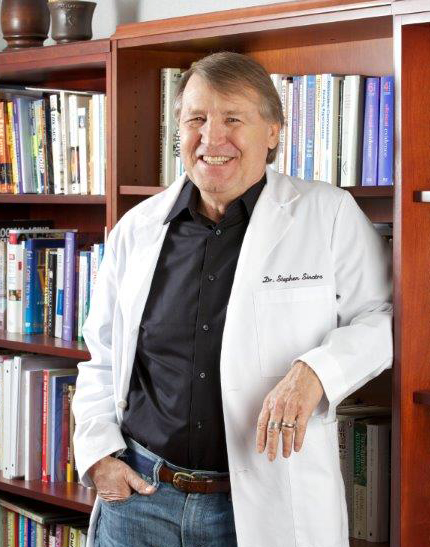
PAM (Pan-Asian Mediterranean) diet: Dr. Sinatra’s nutritional plan based on the healthiest staples of the typical Asian and Mediterranean diets: anti-inflammatory (low-glycemic with healthy fats), antioxidant-rich, cancer-fighting foods like organic fresh fruits and vegetables, soy, seaweeds, wild cold-water fish, lean poultry, legumes, olive oil, garlic, nuts and seeds. Small amounts of red wine and green tea compliment this diet with cardio-protective polyphenols. Dr. Sinatra recommends that 20-25 percent of daily calories are derived from lean protein, 30-35 percent from healthy fat and 45-50 percent from low-glycemic index carbohydrates (fresh vegetables and whole grains).
Pantothenic acid (vitamin B-5): In the body, pantothenic acid is converted to coenzyme A, which is used in many biological processes involving the metabolism of fats, carbohydrates, and protein, and the synthesis of steroids, cholesterol, bile, and hemoglobin. It is also involved in the production of major neurotransmitters.
Parasympathetic nervous system (PNS): The branch of the autonomic nervous system responsible for calming and relaxing the body; the vagus nerve, a cranial nerve that runs from the head to the heart and through the abdominal cavity, supplies most parasympathetic nerve fibers to the organs.
Pectin: A naturally occurring form of fiber, which helps control blood cholesterol levels, maintain balanced blood sugar, and detoxify the colon.
Pentose phosphate pathway (PPP): The metabolic pathway used by the body to make D-ribose. In this pathway, a series of biochemical reactions converts to glucose (a six-carbon sugar) to D-ribose (a five-carbon sugar). This pathway is rate-limited in most tissue, including heart and skeletal muscle, delaying ribose synthesis. Also called the hexose, monophosphate shunt.
Periodontitis: Degeneration or inflammation of dental bones and the surrounding areas as a result of chronic gum disease, poor dental hygiene, or other complications in the mouth.
Peripheral vascular disease (PVD): A condition caused by blockage of the arteries supplying oxygenated blood to the skeletal muscles. Frequent cause of intermittent claudication.
Pharmacokinetics: The study of how pharmaceutical drugs and supplements are absorbed into the blood, transported to tissue, and used by cells.
Phthalates: Chemicals usually found in plastic, as well as personal products such as insect repellants, cosmetics, soaps, lotions, food packaging, and cleaning and building materials. Considered toxic, phthalates can detrimentally affect the male reproductive organs, especially when exposed prenatally.
Phytonutrients: Beneficial chemicals found in plants (e.g. lutein, lycopene, carotenoids, flavonoids).
Pituitary: The gland at the base of the brain that controls and regulates most endocrine (hormonal) functions in the body (the pituitary has strong connections with the hypothalamus).
Platelets: Tiny, disc-shaped cell-like structures in the blood that assist with blood clotting by coming together, or aggregating.
Polyphenol: Antioxidant bioflavonoid found in tea, onions, and red wine.
Polyphenol catachins (green tea extract): a bioflavonoid (synergistic with vitamin C) that has antioxidant and anticarcinogen properties, and has shown beneficial effects in treating gingivitis, high cholesterol, and high blood pressure.
Polyunsaturated fat: Fatty acids, such as omega-3s and omega-6s, with more than one unsaturated carbon. Polyunsaturated oils freeze at lower temperatures than monounsaturated and saturated oils. Examples of foods containing polyunsaturated fats include salmon, walnuts and sunflower seeds, as well as vegetable oils like corn, soybean and safflower oils.
Potassium: This mineral promotes regular heartbeat, normal muscle contraction, acid-base regulation, and bone formation and maintenance. It also helps maintain water-balance in body tissues and cells, and preserves or restores normal function of nerve cells, the kidneys, and stomach-juice secretion.
Proanthocyanidins: These nutrients are also bioflavonoids that have anti-inflammatory and antioxidant properties. They also stabilize collagen (a component of connective tissue, skin, and bone), and promote circulation and oxygenation of the blood.
Psychoneuroimmunology (PNI): The study of the interrelation of the mind, the nervous and endocrine systems, and the immune system.
Purine nucleotide pathway (PNP): The metabolic pathway used by the body to synthesize adenine nucleotides. Beginning with D-ribose, the PNP forms the energy compound, ATP.
Pycnogenol: This nutrient has anti-inflammatory and antioxidant properties. It is also a bioflavonoid (synergistic with vitamin C) that stabilizes collagen, and also promotes circulation and oxygenation of blood.
Pyruvic acid (pyruvate): A three-carbon compound formed from glucose in glycolysis and used in oxidative phosphorylation to produce cellular energy.
Qi: In Eastern medicine, qi (pronounced “chee”) describes the energy that flows through the body, or the life force. Eastern medicine focuses on promoting the flow of qi in the body, as blockages of qi are said to contribute to the development of disease.
Qi gong: A health practice with Chinese origins, the art of qi gong (pronounced “chee gong”) involves the use of intention, breathing techniques, meditation, relaxation and gentle postures and flowing movements to promote both awareness of qi sensation and flow of qi throughout the body.
Quercetin: This bioflavonoid also has antioxidant and anti-inflammatory properties. It has also been shown to help reduce blood stickiness and clumping, improve circulation, and interrupt the oxidation of LDL cholesterol, while also helping to prevent deposits of plaque from forming on the arteries.
Rate-limiting step: Limits the rate at which metabolic processes occur. Synthesis of d-ribose in the body, for example, limits the rate at ATP is generated de novo. Supplementing with d-ribose satisfies the initial step of making ribose to form adenosine, and thus helps speed up de novo ATP formation.
Reactive oxygen species: See Free radicals.
Receptors: Molecules on the surface of cells that bind to specific factors (for example, insulin receptors). Sensitivity of receptors tends to diminish with aging.
Resveratrol: A fat-soluble polyphenolic compound with antioxidant properties, resveratrol is found in red wine (red grapes). Some plants produce resveratrol as a defense against fungal infection, stress, injury, or UV radiation. It can help us prevent sticky blood and help keep our blood vessels clear.
Riboflavin (vitamin B2): This vitamin helps maintain healthy mucous membranes lining the respiratory, digestive, circulatory, and excretory tracts (when used in conjunction with vitamin A). It preserves the integrity of the nervous system, skin, and eyes.
Ribonucleic acid (RNA): A genetic compound containing ribose. In animal cells, RNA is used to pass the genetic information used to synthesize proteins. In the cell, RNA is required to maintain constant levels of important proteins, including enzymes.
Ribose: See D-ribose.
Salvage pathway: A metabolic pathway used in heart, skeletal muscle and other tissues to preserve energy as adenine nucleotides are catabolized. D-ribose is required to allow this pathway to function.
SAR (Specific absorption rate) value: A measure of the rate at which the body absorbs radio frequency (RF) energy, or microwave radiation, when a person uses a cell phone. SAR is generally expressed in units of watts per kilogram (W/kg) or milliwatts per gram (mW/g) and indicates the level of risk of thermal biological effects involved with the use of a cell phone. SAR value should not be considered a reliable indicator of safety of cell phone use, as existing government standards do not account for potentially harmful non-thermal biological effects associated with cell phone use.
Sarcopenia: Age related muscle loss. Caused by a decline in muscle-building hormones, sarcopenia is a condition in which muscle fibers lose their strength, volume and overall integrity.
Saturated fat: Fat that is found in most animal products and tropical oils. With a high proportion of hydrogen atoms, saturated fats are solid at room temperature and are converted into cholesterol in the body.
Selenium: This mineral complements vitamin E to act as an efficient antioxidant. It is a component of an antioxidant enzyme, and also promotes normal growth and development.
Serum ferritin: Blood levels of this protein which stores and transports iron can reflect inflammation, but most often reflect high levels of iron in the body. When serum ferritin levels are high, an evaluation of iron overload state needs to be done.
Silicon: This nutrient is necessary for collagen formation in cartilage, bones, and other connective tissues.
Squalene: An immune protective factor, squalene is a fatty compound that is both endogenously produced and obtained through dietary sources such as olive oil; it assists in the synthesis of cholesterol. Squalene’s chemoprotective effects, as demonstrated in the animal model, may explain the reduced risks of cancer associated with olive oil consumption.
Statins: Class of pharmaceutical drugs used to lower cholesterol, statins work byreducing the action of the principle enzyme in the liver that produces cholesterol. Anti-inflammatory statins can reduce risk of heart attack and decrease the need for revascularization procedures by reducing markers of inflammation in the body, such as C-reactive protein. Statins can also help stabilize atherosclerotic plaque. Regardless of cholesterol levels, statins can benefit people with coronary artery disease or those with a family history of cardiovascular disease. However, while statins can help save lives, they are widely overprescribed to healthy people with no history or evidence of arterial disease. Statins are detrimental to health in that they cause CoQ10 depletion, which can eventually lead to heart failure. Commonly prescribed statins include Lipitor (avorastatin), Zocor (simavastatin) and Crestor (rosuvastatin).
Stem cells: Unspecialized cells capable of both developing into specialized cells or dividing to replace or repair other tissues. Using stem cells to treat disease through cell-based therapies is the subject of regenerative or reparative medicine.
Stents: Hollow titanium wires that keep arteries open after balloon angioplasty.
Stroke: A cardiac event caused by arterial blockages or plaque rupture in a vital blood vessel which causes brain tissue death due to oxygen deprivation. Strokes can also result from a ruptured blood vessel which causes local hemorrhaging; high blood pressure is the primary cause of hemorrhagic stroke.
Stroke volume: The amount of blood ejected with each heart beat.
Substrates: Material acted upon by enzymes.
Sulforaphane: A phytochemical found in cruciferous vegetables like broccoli, cabbage, kale, cauliflower, and cabbage. Sulforaphane is an antioxidant known for reducing the risk for some cancers.
Superoxide dismutase (SOD): The body’s natural defense mechanism against free radicals, SOD is an enzyme the body produces in limited amounts which renders free radicals harmless by providing extra electrons. When the body’s SOD stores are inadequate to handle free radical onslaught, the body must rely on antioxidants directly or indirectly obtained through our diets or supplementation to stave off free radical damage.
Sympathetic nervous system (SNS): A branch of the autonomic nervous system, the SNS causes involuntary arousal, or “fight or flight,” responses such as increased heart rate and blood pressure in response to stress. The parasympathetic nervous system is the other autonomic branch which balances sympathetic arousal through relaxation response. Chronic overstimulation of the SNS can lead to cardiac and other stress-related illnesses.
Syndrome X: see Metabolic syndrome.
T-cells: Cells of the immune system that patrol for foreign substances which can cause disease. T-cells help the body fight infection by attacking and destroying diseased cells; they orchestrate, regulate, and coordinate the overall immune system response.
Tai-chi: An ancient Chinese practice, Tai-chi involves the performance of fluid postures and movements in a slow and graceful manner designed to unite the body and mind. Described as “meditation in motion,” Tai Chi is often practiced for stress management.
Taurine: Taurine is the primary amino acid building block for other amino acids, and is necessary for the proper processing of calcium, magnesium, sodium, and potassium. It is important in the formation of bile, and is also a component of white blood cells, skeletal and heart muscles, and central nervous system tissues.
Telomeres: A sequence of nucleic acids in DNA that extend from the ends of chromosomes; important to the longevity of cells.
Thiamin (vitamin B1): This vitamin plays an essential role in carbohydrate metabolism, and therefore helps promote normal growth and development. It also helps the body maintain normal function of the nervous system, muscles, and heart, as well as mucous membranes.
Thimerosal: A mercury-based (49%) preservative found in some vaccines, e.g. tetanus, rabies, and influenza. Most vaccines given to young children are now thimerosal-free. While the influenza (flu) shot contains thimerosal, limited supplies of a preservative-free version are available for infants, children, and pregnant women.
Thrombosis: The formation of a blood clot within an artery or vein. Blood clots can obstruct blood flow and result in a stroke or heart attack.
Thromboxane: A type of eicosanoid that causes stickiness of platelets and clotting of blood.
Tocotrienols: Tocotrienols are a special form of vitamin E that act as an inhibitor of HMG-CoA reductase, which is the enzyme that produces cholesterol in the liver.
Total adenine nucleotides (TAN): A sum of the cellular concentration of ATP, plus ADP plus AMP. TAN defines the size of the energy pool within a cell.
Toxic blood: A state of the blood characterized by increased coagulation, heavy metals, infections, and other toxins, causing inflammation and sluggish blood flow. The presence of high levels of homocysteine, Lp(a), C-reactive protein (CRP), fibrinogen, and ferritin in the blood indicate toxicity.
Trans fatty acids: Man-made partially-hydrogenated fats. Usually starting as polyunsaturated vegetable oils, trans fats become more stable and have a longer shelf life with the addition of hydrogen. Trans fats are associated with increased oxidative damage to cell membranes, which can lead to inflammation, disease, and age-related changes. As trans-fats raise Lp(a), promote LDL oxidation and lower HDL, they contribute to cardiovascular disease (CVD).
Transient ischemic attacks (TIA): Mini-strokes caused when blood flow is compromised in the brain.
Triglyclerides: Made up of three molecules of fatty acids and one molecule of glycerol, triglycerides are the chemical form of most fats in the body; they characterize the common fat in our abdominal area, often referred to as “love handles.” Triglycerides in the blood come from dietary fats or from other calorie sources such as carbohydrates. Dietary calories not used immediately by tissues for energy are converted to triglycerides and stored in fat cells. Stored triglycerides are released as needed to meet energy demands. Excess triglycerides are part of the insulin resistance syndrome and are an important cardiovascular risk factor.
Ubiquinol: The reduced, antioxidant form of coenzyme Q10 which makes up more than 90% of the circulating CoQ10 present in the body. The body converts ingested ubiquinone into ubiquinol using reductase enzymes. While CoQ10 is commercially available in both forms, almost all clinical trials have utilized ubiquinone.
Ubiquinone: The stable form of coenzyme-Q10 that the body converts into ubiquinol, the antioxidant form of CoQ10. While CoQ10 is commercially available in both forms, almost all clinical trials have utilized ubiquinone.
Ultra-fast electron beam computed cine tomography (UFCT): A method of imaging hearts for evaluating heart disease risk; can detect calcified plaque lesions. Excellent for providing additional information to women with strong family history of heart disease who refuse to consider Hormone Replacement Therapy (HRT) or Estrogen Replacement Therapy (ERT).
Vagus nerve: A cranial nerve that extends from the head to the heart, and then through the viscera of the abdomen. Enervating organs with parasympathetic fibers, the vagus nerve, when stimulated, generates a relaxation response.
Vanadium: This trace mineral plays a role in the metabolism of bones and teeth.
Vascular: Of the blood vessels.
Vasodilation: Opening, or widening, a blood vessel to allow more blood to pass. Certain drugs, such as nitroglycerin, are vasodilators. Many natural compounds, such as argentine, also exhibit vasodilatory properties.
Ventricular fibrillation: Effective rapid quivering of the heart; usually a fatal event.
Ventricular tachardia: A serious accelerated heartbeat.
Vitamins: Organic substances essential to the nutrition of most animals and plants. Though we produce some vitamins in our bodies, we need to obtain others through the foods we eat and/or supplementation.
Vitamin A: A fat-soluble vitamin that helps form and maintain healthy skin, hair, and mucous membranes. It promotes bone growth, tooth development, and reproductive function, and enhances the body’s immune system. Also, it aids in treatment of eye disorders such as night blindness.
Vitamin B6: This vitamin acts as a coenzyme in many reactions involved in the metabolism of amino acids and essential fatty acids. Therefore it is needed for proper growth and maintenance of almost all of our body functions. It also helps maintain chemical balance among body fluids. Additionally, it has been shown to help normal function of the brain, promote normal red blood cell formation, and regulate the excretion of water.
Vitamin B12: This vitamin acts as a coenzyme for fat and carbohydrate metabolism, and therefore promotes normal growth and development. It is also involved in the production of myelin, which is the sheath of ‘insulation’ that covers nerves. This vitamin is only present in animal products, so those following a vegan diet need to supplement it.
Vitamin C: A water-soluble vitamin that promotes healthy capillaries, gums, and teeth, and helps heal wounds and broken bones. It promotes iron absorption (thereby enhancing red blood cell formation), and helps form collagen in connective tissues. Also, it has been used to help treat urinary tract infections.
Vitamin D: A fat-soluble vitamin that regulates growth, hardening, and repair of bone by controlling absorption of calcium and phosphorus. In a healthy person, vitamin D is synthesized in the skin when the skin is exposed to sunlight.
Vitamin E: A fat-soluble vitamin that functions mainly as an antioxidant in protecting cell membranes from free-radical damage. It promotes normal growth and development, as well as red blood cell formation, and also acts as an anti-blood clotting agent.
Vitamin K: The main function of this fat-soluble vitamin is to prevent abnormal bleeding.
Xenobiotics: Synthetic petrochemical substances that can mimic estrogen. Xenobiotics are found everywhere – in dry cleaning, gasoline vapors, hair spray, household cleaners, perfumes, plastic food containers, plastic wraps, soaps and industrial toxins such as DDT and insecticides.
Xenoestrogens: Synthetic estrogen compounds not produced naturally in the body that can cause health problems, including cancer. Xenoestrogens are often found in dairy and meat products.
Zinc: This mineral functions as an essential component of hormones, insulin, and enzymes. It helps maintain normal growth and development by promoting cell division, cell repair, and cell growth. Also, it aids in wound healing and the maintenance of normal taste and smell.
© 2010 HeartMD Institute. All rights reserved.