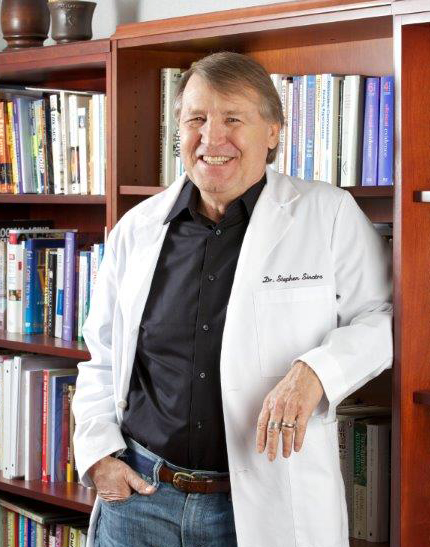



By Stephen T. Sinatra, M.D., F.A.C.C., F.A.C.N., C.N.S., C.B.T.
Conventional medicine, designed to address the physical manifestation of illnesses through surgical and pharmaceutical interventions, certainly saves lives and ameliorates acute medical situations.
However, with chronic illness, especially cancer, cardiovascular disease, gastrointestinal disorders, and diabetes, the need to explore psycho-emotional factors and therapies is pressing. Studies suggest that stress-related complaints account for between 60 and 90 of visits to primary care physicians. In addressing the interconnectedness of our thoughts, emotions, physicality, and the world around us, mind/body medicine helps bridge the conventional medicine gap.
Mind/body medicine accounts for feelings, thoughts, and behaviors affecting physical states, and vice versa. At the forefront of mind/body medicine is Psychoneuroimmunology (PNI), an emerging field through which researchers are exploring the nexus between psycho-emotional states and the immune system. In the 1970’s Candice Pert, Ph.D furthered PNI through groundbreaking research about neuropeptides (two or more amino acids in nerve tissue), explaining how past and present emotions act as biochemical liaisons between the body and mind. Our increasing knowledge about the hormones and neurotransmitters through which the brain communicates with other parts of the body fosters a greater understanding about physiological effects of psycho-emotional stress, or the stress response, and its role in illness.
What is the Stress Response?
The stress response characterizes certain consistent, involuntary physiological changes, such as increased blood pressure and heart rate, which accompany psycho-emotional stress. Walter Cannon, a Harvard physiologist, first described these changes as the “fight or flight response” in the early 1900’s. Decades later, Endocrinologist Hans Seyle expanded on Cannon’s work by conceptualizing stress and its role in health through a “general adaptation response” theory. Seyle believed that chronic stress causes long term chemical changes in the body that deplete health.
When we feel threatened by forces beyond our control, our bodies instinctively prepare for “fight or flight” by releasing a cascade of hormones which signal other systems in the body to react: corticotrophin-releasing hormone, then adrenocorticotropic hormone (ACTH), followed by the catecholamines, epinephrine and norepinephrine, and cortisol. While this hormonal reaction once gave early humans the mental acuity and physical strength and speed with which to evade or conquer predators, it’s evolutionary significance has faded in today’s technological society; fleeing and fighting are generally considered uncivilized responses to workplace and personal-relationship stress. When chronic, such hormonal response can injure the immune and nervous systems, and accelerate the aging process.
Fortunately, researchers and scientists began to comprehend a stress antidote around the same time Seyle put forth his stress theories. In the 1930’s and 1940’s, Dr. Walter Hess discovered how to stimulate an opposite physiological reaction to the stress response, or “a protective mechanism against stress,” through experimentation with lab animals. Hess earned the Nobel Peace Prize in 1949 for this work. In the 1970’s, Cardiologist Herbert Benson followed suit by characterizing the relaxation response, the physiological antithesis of the stress response. With Psychologist Robert Wallace, Benson conducted biofeedback studies of the physiological changes induced through meditation. He has more recently noted that religion and/or faith in a higher power factors into a healthy emotional state (Dr. Benson is now Director Emeritus of The Benson Henry Institute for Mind-Body Medicine at Massachusetts General Hospital).
Relaxation Response
Most mind/body therapies are designed, among other reasons, to elicit what Benson described as the relaxation response. The physical effects of relaxation response include changes in EEG, redistribution of blood flow, enhanced immune function, and reduction of blood pressure, oxygen consumption, heart and respiratory rates, and tissue sensitivity to stress hormones. Relaxation response also results in a decline of stress hormones, and therefore better hormonal communication within the body.
Relaxation response may be elicited, among other therapies, through yoga, meditation, Tai Chi, Qi Gong, biofeedback, progressive muscle relaxation, and visualization. Most techniques designed to bring about a relaxation response utilize conscious breathing. Whatever the practice, cultivating a relaxation response generally involves the following elements:
(1) Focus on a repetitive visual or aural stimulus such as a mantra, prayer, pleasant sound, or just the sound of the breath;
(2) A peaceful environment in which one may maintain focus on the stimulus;
(3) Disregard of thoughts which arise and distract from the stimulus; and
(4) Relaxed muscle tone.
Cultivating a Relaxation Response through Mind/Body Work
The key to achieving health benefits associated with a decrease in psycho-emotional stress is to make relaxation response a lifestyle. Make the time and commit to consistently practicing one or several mind-body techniques on a regular basis. Doing so can help assuage the SNS activity which depletes health, and can bring peace of mind. Knowing that we will engage in mind-body activities at regular intervals gives us greater control over perceived stressors.
References and Resources:
- Rosenthall, N. Transcendence: Healing and Transformation through Transcendental Meditation (Tarcher-Penguin, 2011).
- Stockdale, B. You Can Beat the Odds: Surprising Factors Behind Chronic Illness and Cancer (Sentient Publications, 2009).
- The Benson Henry Institute for Mind-Body Medicine at Massachusetts General Hospital Web site.
- American Institute of Stress (AIS) Web site.
- Dusek, JA, Benson H. Mind-Body Medicine: A Model of the Comparative Clinical Impact of the Acute Stress and Relaxation Responses. Minn Med. 2009; May; 92(5):47-50.
© 2011 HeartMD Institute. All rights reserved.